
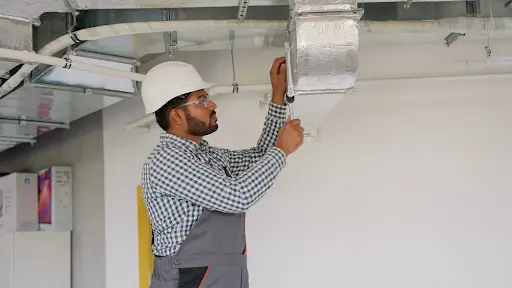
 Keeping your home comfortable can get expensive, especially when heating and cooling systems run for much of the year. If your energy bills keep climbing, your air ducts may be one factor worth investigating. Dust buildup, restricted airflow, and neglected HVAC maintenance can affect system performance, potentially increasing operating costs over time.
Air duct cleaning is not a solution to every heating and cooling problem, but it can be a useful part of an overall maintenance plan. Understanding when to clean your ducts, how your HVAC equipment affects energy use, and when an upgrade makes sense can help you make cost-effective decisions for your home.
Keep Air Ducts Clean to Support HVAC Efficiency
Your home’s air ducts distribute heated or cooled air throughout your living spaces. When dust and debris accumulate, they can contribute to airflow problems, particularly when buildup affects vents, filters, or other HVAC components. Maintaining clean ducts and replacing air filters as recommended can help support proper airflow and reduce avoidable strain on your system.
According to Forbes, homeowners should have their air ducts cleaned approximately every three to five years. However, the ideal schedule depends on factors such as household conditions, pets, renovations, and whether there are signs of contamination or restricted airflow. Cleaning ducts when needed, rather than paying for unnecessary service, can help you manage maintenance expenses.
It is important to understand that duct cleaning does not automatically lower energy bills. If your ducts are relatively clean and your system already operates efficiently, professional cleaning may deliver little measurable energy savings. However, if inspections reveal significant dust buildup, blockages, or other problems affecting airflow, addressing them may help your HVAC system distribute conditioned air more effectively.
You can also take practical steps to support your system between professional cleanings. Replace or clean HVAC filters according to the manufacturer’s recommendations, keep supply vents unobstructed, and check for visible damage around accessible ductwork. If some rooms consistently feel warmer or colder than others, ask an HVAC professional to investigate potential airflow issues before spending money on services that may not address the underlying problem.
Reduce Energy Waste From Older Heating Systems
Air duct maintenance is only one part of controlling household energy costs. The age and condition of your heating equipment can also affect how much energy you use to maintain a comfortable temperature. An older furnace may require more energy to deliver the same level of comfort as a newer, more efficient model.
According to the Department of Energy, older furnaces and heating systems can lose up to 40% of heat from the home. This potential loss highlights why homeowners should evaluate their heating equipment alongside their ductwork when investigating unusually high utility bills. Leaky ducts, inadequate insulation, and inefficient equipment can all contribute to wasted energy, although the specific causes vary from home to home.
Before replacing your furnace, consider whether maintenance or targeted repairs could improve its performance. A professional inspection can identify issues such as dirty components, faulty controls, inadequate airflow, or damaged duct connections. Correcting these problems may help restore efficiency without requiring the expense of a complete system replacement.
If your heating system is nearing the end of its useful life, compare repair costs with the potential benefits of upgrading to a more efficient model. Ask contractors to explain estimated operating costs, installation expenses, warranty coverage, and expected performance under your local climate conditions. Looking at the long-term cost of ownership can help you avoid spending money on repeated repairs when replacement may offer better value.
Consider Energy-Efficient Cooling Options
Cooling costs can also make a noticeable difference to your household budget, particularly during hot summer months. Keeping your air conditioner maintained, checking your thermostat settings, and sealing gaps around windows and doors can help reduce unnecessary cooling demand. These measures work best when your HVAC equipment is appropriately sized and your home has adequate insulation.
According to the Department of Energy, air conditioners available today use approximately 50% less energy than models did in 1990. This improvement illustrates how advances in equipment efficiency can create opportunities for homeowners to reduce electricity consumption. However, actual savings depend on the efficiency of your current unit, usage patterns, local climate, and the performance of the replacement system.
If your air conditioner is older, compare its condition and operating costs with those of modern alternatives before making a purchase. An HVAC professional can assess whether your existing equipment is performing properly and recommend options suited to your home’s cooling needs. Choosing a correctly sized, energy-efficient unit can help avoid unnecessary energy consumption and improve indoor comfort.
Routine maintenance remains important even with newer equipment. Keep outdoor condenser units clear of leaves and debris, replace filters regularly, and schedule inspections when recommended by the manufacturer. Combined with appropriate duct maintenance, these habits can help your system operate as intended and reduce the risk of preventable repair expenses.
Make HVAC Maintenance Part of Your Savings Plan
Clean air ducts can contribute to a well-maintained HVAC system, but meaningful savings often come from addressing several factors together. Inspecting ductwork, maintaining filters, repairing leaks, and evaluating aging equipment can help you identify where your money is going. By focusing on the problems that actually affect your home’s efficiency, you can make smarter maintenance decisions and potentially reduce energy costs over time.
Photo Credit: stock photo