
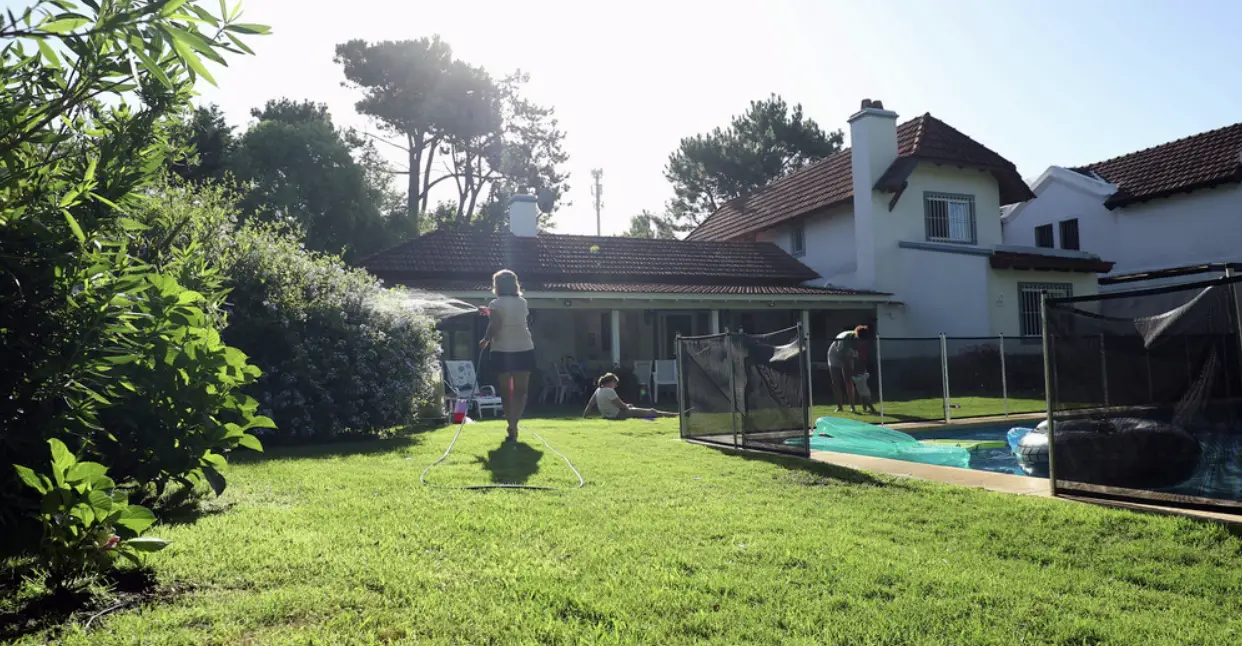
 Improving your outdoor space doesn’t have to drain your savings. In fact, some of the most impactful upgrades come from thoughtful planning, smart budgeting, and strategic choices rather than oversized spending. Whether you’re looking to boost curb appeal, increase functionality, or simply enjoy your yard more, there are plenty of ways to enhance your property without overspending.
The key is understanding where to invest, where to save, and how to make decisions that provide long-term value. From water usage awareness to property-enhancing installations, outdoor improvements can be both practical and financially responsible when approached wisely.
Understanding the Value of Outdoor Investments
Outdoor improvements are often seen as cosmetic, but many upgrades provide real financial return. Features like fencing, landscaping, patios, and water systems can significantly influence both livability and property value.
The goal is not to spend the most, but to spend wisely on upgrades that provide measurable benefits.
Planning Ahead to Avoid Overspending
One of the biggest mistakes homeowners make is starting outdoor projects without a clear budget or plan. Without structure, costs can quickly spiral due to unnecessary materials, last-minute changes, or inefficient design choices.
Before beginning any project, it’s important to define your priorities. Are you focusing on appearance, usability, or long-term value? Each goal may lead you to different types of improvements and spending levels.
Creating a phased approach can also help. Instead of completing everything at once, break projects into manageable stages that align with your financial situation.
Water Efficiency and Hidden Outdoor Costs
Water usage is one of the most overlooked expenses in outdoor maintenance. From irrigation systems to cleaning tasks, inefficient water use can lead to higher utility bills over time.
For example, large garden hoses can use up to 23 gallons per minute, depending on pressure and nozzle settings. This means that even short watering sessions can result in significant water consumption if not managed properly.
Choosing efficient watering methods, such as drip irrigation or timed sprinkler systems, can help reduce waste while still maintaining a healthy landscape. These small adjustments can lead to noticeable savings over the long term.
Smart Landscaping on a Budget
Landscaping is one of the most effective ways to improve outdoor aesthetics, but it doesn’t have to be expensive. Strategic plant selection and layout planning can create a visually appealing yard without high ongoing costs.
Native plants, for example, often require less water and maintenance, making them a cost-effective choice. Grouping plants with similar water needs can also improve efficiency and reduce waste.
Mulching is another simple yet effective technique. It helps retain soil moisture, reduces weed growth, and improves overall plant health—all while minimizing maintenance costs.
Fencing as a High-Impact Upgrade
Few outdoor improvements offer as much value as fencing. A well-designed fence enhances privacy, defines property boundaries, and improves overall curb appeal.
Beyond aesthetics and functionality, fencing also contributes to financial value. Depending on the type and material, a good fence can increase a home’s value between $1500 and $5000. Wood, vinyl, and metal options each offer different price points and maintenance requirements, allowing homeowners to choose based on budget and long-term goals.
When installed strategically, fencing can also reduce noise, improve safety for pets and children, and create a more usable outdoor space.
Choosing Materials That Balance Cost and Durability
Material selection plays a major role in the overall cost and longevity of outdoor improvements. While cheaper materials may seem appealing upfront, they often require more maintenance or replacement over time.
For example, composite decking may have a higher initial cost than wood, but it typically requires less maintenance and lasts longer. Similarly, durable fencing materials can reduce repair and replacement expenses in the future.
The key is to evaluate both short-term affordability and long-term value before making decisions.
Maximizing Small Outdoor Spaces
Not every homeowner has a large yard, but even small outdoor spaces can be transformed into functional and attractive areas. The focus should be on efficient use of space rather than size.
Vertical gardening, compact furniture, and multi-purpose features can help maximize usability without increasing costs significantly. Small patios or decks can also be enhanced with lighting and simple landscaping to create a more inviting atmosphere.
With thoughtful design, even limited spaces can feel open, comfortable, and well-utilized.
Energy Efficiency in Outdoor Design
Outdoor improvements can also contribute to energy efficiency. Strategic placement of trees and shrubs can provide natural shade, reducing cooling costs during warmer months.
Light-colored surfaces and reflective materials can help minimize heat absorption around the home. Additionally, outdoor lighting systems that use LED technology or solar power can reduce electricity consumption. If you have one of the 10 million residential pools in the US, you may choose energy efficient equipment for longevity and savings over time.
Maintenance: The Hidden Cost of Outdoor Living
Maintenance is often the most underestimated expense in outdoor improvements. Choosing features that require minimal upkeep can significantly reduce long-term costs.
For example, synthetic materials may require less maintenance than natural alternatives, even if they cost more initially. Similarly, properly installed systems tend to last longer and require fewer repairs.
Regular upkeep, such as cleaning gutters, trimming plants, and inspecting structures, also helps prevent costly damage over time.
Prioritizing High-Return Improvements
When working within a budget, it’s important to prioritize upgrades that offer the highest return on investment. Not all outdoor improvements deliver the same financial or functional value.
Fencing, landscaping improvements, and energy-efficient systems often provide strong returns, while overly decorative or niche features may offer less financial benefit.
By focusing on practical upgrades first, homeowners can ensure their spending contributes meaningfully to property value and daily enjoyment.
Timing Your Projects for Better Savings
Timing can also influence the cost of outdoor improvements. Seasonal demand often affects pricing for materials and labor.
Planning projects during off-peak seasons can sometimes result in lower costs and better availability of professionals. Additionally, taking advantage of sales or bulk purchasing opportunities can further reduce expenses.
Being strategic about timing allows homeowners to stretch their budgets further without compromising quality.
Outdoor improvements don’t have to come with excessive costs to deliver meaningful results. By focusing on planning, efficiency, and strategic investments, homeowners can create beautiful and functional spaces without overspending. With the right approach, you can enjoy a more beautiful, functional, and cost-effective outdoor environment for years to come.
Photo Credit: stock photo