
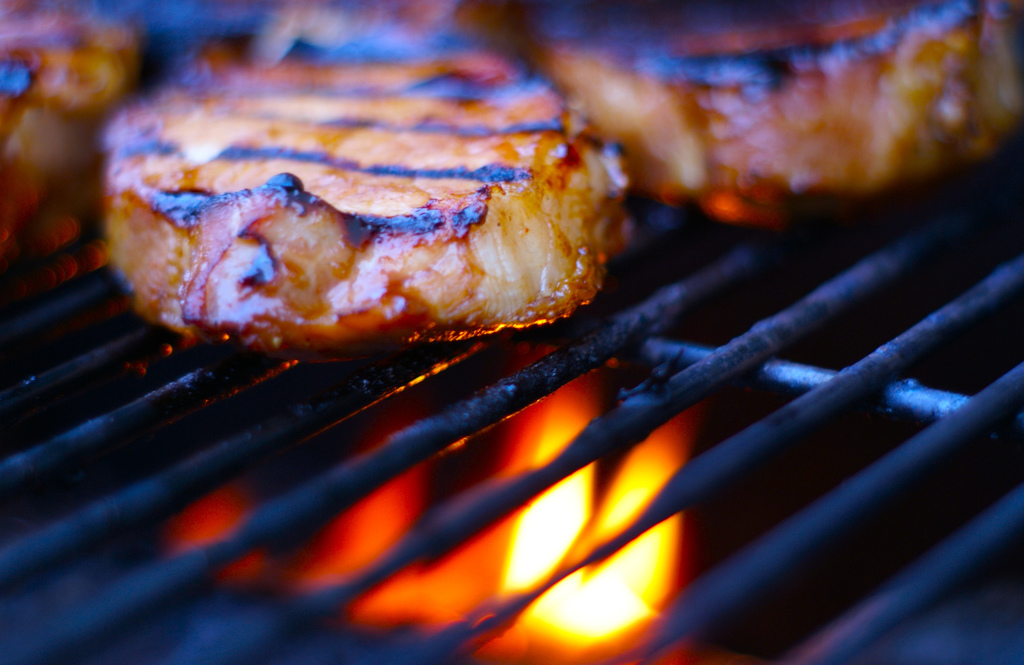
 With warmer weather finally here and the recent demise of my old grill, I once again find myself considering one of the great debates of all time: Is a gas or charcoal grill better?
When it comes to the question of grilling with propane or charcoal, hard-core grillers love to debate considerations such as cooking time, flavor, authenticity, and temperature control. However, backyard barbecue infidels like myself focus first and foremost on cost. I know. But we can always worry about whether or not propane is able to provide that authentic smoky hardwood fire flavor — with or without help from your favorite barbecue sauce — later.
From a purely financial perspective, the short-term cost difference is significant, depending on whether you choose gas or charcoal grills.
But frugal folks who are focusing on a barbecue with price as their key discriminator should consider not only the original purchase price of the grill, but also maintenance and operating costs as well.
As the following analysis shows, charcoal is the clear winner in the short run. But what about the long run?
Let’s take a look at this overview of the three most important cost criteria:
Grill Purchase Price
Generally speaking, when it comes to start-up costs, charcoal grills offer the lowest prices. You can buy the most basic charcoal grills today for as little as $30, however you can find high-end charcoal grills for $2000 or more.
On the other hand, gas grills are a bit more expensive; the smallest two-burner versions start around $100 for the low-end models; more-practical four burner models start at roughly $200. Of course, those who are looking to splurge can easily find fancier gas grill models for $1000 or more.
Grill Fuel Costs
Charcoal barbecues run roughly $2.50 per cookout, assuming 40 charcoal briquettes per barbecue. However, you can save approximately 50 cents every time you barbecue by using a standard six-quart chimney starter instead of lighter fluid.
What about gas grills? Well, on average, a gallon of propane will yield three cookouts. Therefore, the typical five-gallon tank is enough for 15 cookouts. I recently filled up my 5-gallon propane tank for $20. Based upon that price, and assuming an average of 15 cookouts per tank, that’s roughly $1.33 per cookout; it’s also $1.17 cheaper per cookout than charcoal — and that can really add up over time if you grill a lot. To keep up with current propane prices, you can take a look at the cost predictions included in this propane industry report.
By the way, in case you’re wondering, electric grills are cheaper on a per-cookout basis than either propane or charcoal. For the typical electric grill rated at 1600W, and assuming a cost of 16 cents per kilowatt hour for electricity, an hour-long cookout costs just 26 cents.
Grill Maintenance Costs
The beauty of charcoal grills is that they generally require very little maintenance. Other than the grill grates that experts recommend should be replaced every one or two years, for lower end models there shouldn’t be any other maintenance costs.
With gas grills, you not only have to refill the propane tank (assuming you do not have a direct connection to your home gas line), but you also have to maintain the gas connections and lines, the igniter, and grates. You also must be sure to keep the burners, igniter collector box, and drip tray clean. Oh yes, and you may need to replace the flavor briquettes if you choose to use them as well!
How much does all that stuff cost if it goes bad? It depends on what is being replaced, of course — but I recently replaced several parts on my old gas barbecue that ran me close to $100 after shipping and handling charges were applied.

The Bottom Line
For many folks, choosing a barbecue involves many different considerations. When it comes to cost effectiveness, charcoal grills tend to offer lower upfront costs than a gas grill. However, over the long run, those upfront cost savings tend to be — if you’ll excuse the pun — eaten up by the higher fuel cost of charcoal. As a result, neither charcoal or gas grills can claim a definitive cost advantage over its rival.
In other words: The Great Grill Debate continues.
***
(This is an updated version of an article that was originally published on 1 May 2017.)
Photo Credit: ctaloi
This is highly dependent on the cost of the fuel. In a third world country where relatively cheap low quality raw charcoal (not briquettes) is available and you use scrap paper and other flammable trash to start the fire … you get the idea
I can’t argue with that. I’ve seen Surviorman burn cow dung to survive – just not BBQ a steak.
Thanks for this article. I’ve always avoided the propane BBQs because of the higher up front costs but I think you’ve convinced me to go for it now. I’m not one of those BBQ gourmets, so I’ll probably be unable to tell the difference anyway.
I’ve got an electric grill. I wonder how that stacks up?
Scooter, electric grills cost on average between 10 and 15 cents per hour to operate. You can get small indoor/outdoor electric grills starting at around $50 – $60. As for maintenance, I need to do a little more research but I suspect they should be similar in maintenance to that of the gas grill. When I know for sure, I will let you know. Thanks for your question!
I’ve been thinking about buying a grill when I move into my condo. I assumed that I would buy a charcoal grill because it’s less expensive, but I didn’t consider the other costs. After reading your post, I’m still going to stick with the charcoal grill, but remember that each time I grill will cost about $4/hour 🙂
One factor not addressed here is flavor. Charcoal wins that hands down. Just use a chimney starter and don’t use lighter fluid. And if you want to really kick up your game use lump charcoal.
I’m not a BBQ connoisseur by any means and so I really don’t think I’d be able to tell if I did a blind taste test between charcoal grilled and gas grilled meat.
(I’m sure a lot of barbecue experts out there are already wincing at that comment of mine.) LOL
We use charcoal for the flavor. I usually spend about $15 (double pack at Sam’s Club) on charcoal in the spring along with possibly $3 (Walmart generic) for starter fluid. This lasts us the entire season. We grill on average once a week, Our ‘season’ in Colorado is shorter than some, but lasts at least 4 months. So that’s at least 16 meals for $18 fuel. For us it’s about the flavor rather than the cost, but I just wanted to point out that our costs are nowhere near as high as you show here. I guess it depends on how much you pay for charcoal brickettes and how much you use each time you grill.
Stop using that lighter fluid. Try a charcoal chimney. I didn’t believe it would work until I tried it. Faster and cleaner than fluid will ever be. No aftertaste. You will never go back.
I have both. Bought a gas Weber. 14 years old and the starter still works. I use it in the winter. Cook everything at 300 and cook several meals at once on it. If I want charcoal, duh, i just place a turkey foil pan add charcoal and I get that flavor.
A tank of gas is $11 at businesses to get you in the door to buy a lawn mower or whatever. Be careful like getting a cheap oil change at dealer and waiting. Lost count of number of people that I know that walked out with a brand new car.
Folks don’t forget the Saturday Black Coffee, where we pit our gold stash against the Fed. As far as grilling that tin foil hat hat is multi purpose!
It definitely depends on how many briquettes you use. You can get 40 pounds of Kingsford briquettes at Home Depot for about $20 — that’s about 640 briquettes in all. The number of briquettes is a function of how big your BBQ is and what you are cooking: generally, steak needs a higher temp than burgers, brats and hot dogs — and therefore, more briquettes.
By the way, I’m with you: I prefer the taste of BBQ over charcoal — but in the end, I let the convenience of gas rule the day.
I have both. I have a Weber Genesis that I use almost year round even in winter. I use it during the week when time is at a premium. I use natural lump charcoal on weekend when cooking a bigger piece of meat. I prefer the flavor of the natural lump charcoal for flavor.
Use propane here, with hickory chips for flavor. I like the fact it can be turned on and cooking within 10 minutes versus waiting on charcoal.
I plumbed our grill into the line to our main tank(s) so the cost is about 1/2 the $3/gallon you’d pay for a 20lb bottle, AND never run out in the middle of cooking something.
Grill maintenance has been minimal since I bought a decent Weber grill….have replaced original steel “tee pee” parts over the burner with stainless steel, so they shouldn’t rust out again. We do keep a cover over the grill when not in use.
I wish I had plumbed my grill, Andy; so many benefits to that!
Nothing worse than running out of fuel in the middle of a cookout. So now I make sure I always have at least one spare propane tank on hand at all times — it’s a bit of pain to constantly have to refill them too.
My vote is for charcoal BBQ.
It all depends on your budget. There are both great charcoal grills and gas grills for your money. I am a personal fan of gas because they are cleaner, and if you want a smokey flavor that charcoal gives you than try using a smoke box or set up a type of smoker in your gas grill with soaked wood chips.
I like barbeques but I don’t like the work involved with it. But if I will barbeque, I’d prefer doing it with charcoal. I like the smokey flavor. Anyway it’s not often that we barbeque so even if it will cost more, it’s ok.
But the time!!!!! You can fire up that propane grill, let it heat up, cook your steak and be done. With charcoal, you have to let the stupid things cool down to ash covered coals, then cook, no wait, the wind in West Texas (which blow 99% of the time) blew out the flame! Start over, now the potatoes are overcooked, salad is limp and I have already eaten my dessert!
Hollis where it doesn’t rain but the wind blows and blows
Did I mention the wind blow along with the sand! and we are
always under a burn ban?
We usually use charcoal in grilling. It’s definitely cheaper compared to gas.
I prefer my Kingsford charcoal grill. My wife bought it for me 9 years ago and it is fnally falling apart. A few of my friends have gone through 2-3 propane grills in the same time frame. The only downside to charcoal is the time factor. But usually when we are grilling out it is to enjoy the day, so i don’t mind it taking a bit longer.
The first propane grill I ever bought in 1999 lasted me about ten years. The last one I had lasted just three years before it fell apart.
I’d go for charcoal bbq. The taste of bbq is really different and authentic compared with that grilled on gas bbq grills. And, it’s cheaper, Len.
Have been using hibachi style charcoal grills since 1967. Bought all of them at yard sales for one dollar to five dollars. You usually have to soak the grill part in a plastic bag with ammonia and then scrub it clean. The grills come from families converting to gas cooking. Often there’s a full or partial bag of charcoal and container of lighter fluid thrown in. Bought one brand new (35 year old) hibachi in the original box for five dollars and it was too good for me, pristine, sold it on ebay for $30. We’re using our current $2. grill which has served us for a number of years, and sitting in a corner of the garage is the NEXT one, bought for a few bucks at an estate sale. We like the taste of the smoke on the food. I usually cook burgers or a steak. Then, “That fire is still perfect right now.” I put on cleaned shrimp which have been marinated in olive oil and granulated garlic on the still fiery grill. The shrimp are delicious served hot and even better cold the next day, or sausage links which are used the next day in a very non greasy sausage and peppers on rolls. Getting two meals’ cooking out of one batch of briquets cuts the cost. I once bought a Weber dome top charcoal grill on stand which had been used once, that family switched to gas. Price was $10. including the owner’s manual. The Weber took up too much storage room so I gave it to a friend who is using it years later.
Great tips. Karen! Thanks for sharing those. I’ll hit a few garage sales first the next time I need a new grill!
After 30+ years of using a gas grill, we purchased a stand up George Forman electric grill. We find keeping gas grills clean a chore. We would notice critters, like chipmunks, would get inside the grill from the drain hole, bugs, etc. Hassles with having to fill the tank. With the electric grill- we can use it inside or outside. We clean it after each use and tuck it away in a corner in our kitchen when not in use. It cost about $50 on Amazon. Best thing for us.
BTW- there are special sponge/ scrubbers made for the George Forman grill and with soap and water not hard to clean at all. Has a drain pan underneath that you just empty and wash. Lid just gets wiped down as well. If you store it inside stays nixes and clean away from the elements.
len, my in-laws bought us our weber kettle (we’ve named it big blue) over 31 years ago. we have only had to replace the handles on the sides & lid and the mechanism that closes the vents, that was about 5 yrs. ago. we clean the grate off every time and still don’t see the need to replace it. if it ain’t broke don’t fix it. we use ours at least once a week in the warm season and if it doesn’t have snow on it we use it to bbq turkeys for thanksgiving and legs of lamb for Easter, pork loin roasts and tri-tip year round. if you close the vents down immediately after grilling it saves the coals so you only need to add half as much the next time. granted it does take a little bit of time (20-25 min.) for the coals to get ready but i use that time to prep my food, let the meat come closer to room temp. and then i also put my veggies on the grill too.
Len, I stumbled upon your blog and just wanted to say that I have truly enjoyed browsing your site!
Thanks, Isla!
Sorry but charcoal is the clear winner in my mind. Our basic, but name brand, charcoal grill cost only $30, with zero maintenance cost. Only maintenance is occasionally scrubbing with soap and water.
Charcoal briquettes go on sale very cheap every year in the spring, and you can easily stock a few bags to last the year.
There is no way you need to use brand new briquettes every grill time, so the $2.00 cost for 40 briquettes is not right. We grill several rounds of food, enough for several days, and my husband often uses briquettes from the last time he grilled.
We use a chimney fire starter, and have never needed lighter fluid.
All in all, our costs for a charcoal grill are very low, and I love not having to depend on gas, or the pain of going to the store to buy another refill at $45 a shot.
Fair enough, Hannah! I have to admit, I do hate it when I have to get those propane refills!
I’m very late to the party I know. I know this is a financial site but I’ve never thought much about the difference in cost. I just like charcoal flavor better than gas. I do use the chimney starter. I put 5 or 6 of those quick lite briquets on the bottom and fill the rest with regular charcoal, more often than not a store brand. I usually grill enough for a week of food. My time investment is about 3 hours but it’s something I enjoy and the family loves grilled food.
No worries, WB. It’s never too late to comment on an article here!
I enjoy grilling too — and I definitely can see why many people prefer grilling with charcoal as opposed to propane.
I think charcoal grills are more difficult to maintain because they get much dirtier. Most people prefer charcoal because of the smokey flavor it gives the meat. I like to use propane with a little bit of liquid smoke (a product you can buy to give meat a smokey flavor) and I get the same result. I like how you mentioned how much a propane grill can save in the long run too.
I use wood from my elm trees to grill with, I start a fire with them in the grill wait until they form coals and grill for free. If I want smoky flavor I add some more wood to the coals for a great smoke barbecue flavor Cost=$0.00
Just in time for the spring BBQ season. My local park doesnt allow gas grills so its an easy choice for me. Charcoal baby!
I collect a 2” dead limb of the ubiquitous dead hickory easily found here in the country.
I cross-saw it into pucks, burn them awhile in the charcoal grill until they are tantamount to charcoal and then cook over it.
There’s no difference from ”bought” charcoal, except the cost is zero.
I use a charcoal grill (Weber Kettle), and usually use wood from my yard that I have trimmed from the trees here. I find the wood from fruit (apple, peach) imparts better flavor, while the hard woods (oak, maple) produce longer lasting coals. The key is wait until you have coals, and then begin cooking, as a roaring fire will quickly burn any meat. In Texas I am able to grill almost year ’round. And I don’t routinely buy propane or charcoal briquettes as a result.
I have propane BBQ right now but I’m going to get a charcoal one. I remember when I was a kid my parents had a Charcoal one and I thought the food tasted much better with a charcoal BBQ over a propane BBQ. I think it’s good to have both. They each have pros and cons. You can BBQ more often on one propane bottle than a bag of Charcoal but with Charcoal there’s really no maintence like Propane and I think the food tastes better. So if I run out of Charcoal I’ll use Propane till I get more is the idea.
I was unaware of the fact that a tank of propane could yield three cookouts. I think that gas barbecues are efficient because they cook meat and other foods in a timely manner. I want to buy a gift for my father-in-law, so I’ll be sure to find a seller that specializes in the best gas grills on the market.
I was about to purchase a BBQ grill. I have a dilemma in choosing between gas and charcoal BBQ. From this post I know which is the best BBQ suits my requirement. Thanks.
I have used both charcoal and gas both ok. I bought a rek-tec pellet grill and love it as you can control it better. it is stainless steel so no rust. it is expensive the rt-700 but 40 lbs of pellets only cost $15.00 and it lasted me over 40 hours of cooking and burn in the grill. Very Happy!!
Thanks for explaining how a gas grill is cheaper to use per cookout. I love to cook on a grill especially during the summer. I want a new grill but I don’t want it to cost me a fortune to cook on it so I think I might go with a gas one.
For cost savings with propane, beware of bottle exchanges.
The pre-filled 20-pound bottles in the cages conveniently located outside of big box stores and convenience marts in this area only have 15 pounds of LPG in them. The 25% of fuel not included helps pay for cleaning and re-painting the old bottles received with each exchange, plus the truck and route driver needed to service the cages.
For the best economy, bring your empty bottles to someplace that refills them for you with a full 20 pounds. Hardware, camping, and sporting goods stores may have a big tank outside with equipment that can pump your bottles full.
A long-term cost for propane is that bottles can only be refilled for so many years after manufacture. After that, they must be replaced or sent to a testing facility for re-certification. For an extra cost, an expired tank can be turned in at an exchange. This needs to be included in calculating long-term costs.
A hardware store that fills empties may have an exchange for new or freshly re-certified bottles. Using the pre-filled exchanges from the cages may get you a re-certified bottle with only a few months left on the certification.
I just had a 20-lb. propane bottle refilled, and double-checked the certification requirement with the employee who checked the date on my bottle first. He said new bottles can be filled for 12 years after the date of manufacture. Tested used bottles can be refilled for 5 years after re-certification.
I’m the nerd with both… Plus a stick burning Texas offset smoker… Yes, three different grills/BBQs. Each accels in one or two areas but each has some characteristic the other two can’t touch.
Gas is great for a quick flame, consistent heat and year round use. But the end results can’t easily compete with charcoal or wood. Sure you can add a smoker box, but that will add the usage cost.
Charcoal has great flavor, temp can be controlled some and then finished product is terrific. But it’s not so great in the winter.
The wood burning behemoth is great for big cuts like brisket, whole pork shoulder or multiple racks of ribs and gives the finest results. But it’s time consuming, good only in the warmer months up north, and the fuel can be expensive unless you cut your on wood.
For me charcoal is the most versatile, especially if you live in a southern tier state. Plus it’s finished food kicks @$$ compared to a gas grill… And isn’t that what you really should be concerned about?
Good article. I really appreciated this comparison. Thanks
Thank you, you explain this beautifully. I love to BarBQ or grill meat but recently i came to know grilling using an electric smoker.
An electric grill is easy to use but charcoal has great flavor due to smoke. I have a charcoal grill
I have owned several type of grills . The one I like best is a pellet grill I have a Rec-teq grill had it for 12 years. you can do so much more on it than BBQ , I’ve baked bread cakes pies and anything you can cook in a oven , it has a temperature control nob like a oven and in the summer time you don’t heat up[ the house which cost more for air condition!
There’s an entirely “other” way of obtaining and using charcoal. we heat our house with a firewood stove that has a grill insert. We grill hamburgers while we heat the house in the wintertime.
In summer, I cut dead hickory saplings crosswise into pads, which I light in a grill, using diesel fuel (cheaper that starter and works just as well). It takes longer than starting with charcoal briquettes, but the result is 100% charcoal grilled steaks.
buy an electric starter much cleaner and safer than chimney and never use lighter fluid