
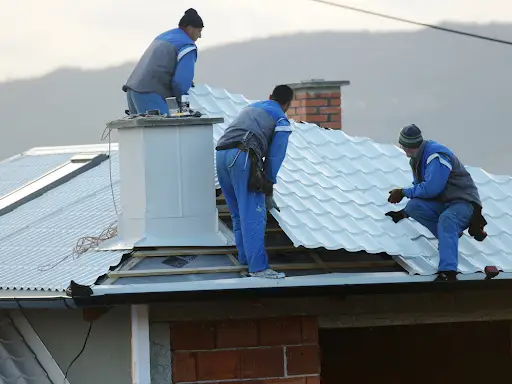
 A new roof is one of the most important investments a homeowner can make. It protects the structure, supports energy efficiency, affects curb appeal, and helps prevent water damage that can spread quickly once leaks begin. Because roof replacement is a major project, it should not be treated as a last-minute decision. Understanding materials, timing, installation needs, and long-term value can help homeowners plan with more confidence.
Know When Replacement Makes Sense
Roof age is one of the first details to consider, but it should not be the only one. A typical roof may last between 25 and 50 years, though the exact lifespan depends heavily on the roofing material, property type, installation quality, climate, and maintenance history. A roof on a shaded home in a mild area may age differently from one exposed to intense heat, storms, or heavy debris. Homeowners should combine age with visible signs such as missing shingles, sagging areas, granule loss, leaks, or repeated repair needs.
Understand Common Roofing Materials
Material selection affects cost, appearance, durability, and maintenance. Asphalt shingles are popular because they are widely available, versatile, and suitable for many residential properties. According to RoofLink, 90% of U.S. homeowners correctly recognized asphalt shingles as the most common roofing material. That familiarity can make asphalt feel like a practical starting point when comparing roofing options, but homeowners should still consider ventilation, slope, weather exposure, and neighborhood requirements before choosing a material.
Think About Lifespan and Value
A roof’s value is not based only on the upfront price. A less expensive material may be the right choice for some homes, while another property may benefit from a longer-lasting option with a higher initial cost. According to Architectural Digest, asphalt roofs generally last between 20 and 30 years. That range gives homeowners a useful planning window when budgeting for future maintenance, resale timing, or long-term ownership. The best choice should balance affordability, expected lifespan, and the conditions the roof will face every year.
Review the Full Scope of the Project
A roof replacement often includes more than removing old shingles and installing new ones. Contractors may need to inspect decking, flashing, vents, underlayment, gutters, drainage points, and attic ventilation. If hidden damage is discovered, the project may require additional repairs before the new roof can be completed properly. Homeowners should ask what is included in the estimate so they understand whether the quote covers cleanup, disposal, permits, material delivery, and any needed structural corrections.
Plan Around Weather and Scheduling
Timing can affect both convenience and project success. Roofing work depends on safe conditions, proper material handling, and enough time for installation crews to complete each phase. Homeowners should avoid waiting until leaks become urgent because emergency scheduling may limit choices. Planning earlier allows more time to compare estimates, review materials, and choose an installation window that works for the household. It also gives homeowners time to move vehicles, protect attic belongings, and prepare pets or family members for temporary noise.
Protect Your Investment After Installation
A new roof still needs attention after the work is finished. Homeowners should keep gutters clear, trim branches that scrape the roof, watch for storm damage, and schedule inspections when concerns appear. Attic ventilation and insulation should also be monitored because trapped heat or moisture can shorten roof life. Keeping records of installation details, materials, warranties, and maintenance can also be useful for future repairs or resale conversations.
Ask the Right Questions Before Committing
Before signing a contract, homeowners should ask about materials, timelines, cleanup, ventilation, flashing, payment terms, and how unexpected damage will be handled. It is also important to understand who will supervise the work and how communication will happen during the project. A clear agreement can reduce confusion once the old roof has been removed and work is underway. The more specific the discussion is upfront, the easier it is to avoid surprises.
Investing in a new roof is about protecting the whole home, not just improving the exterior. The right project plan should account for material lifespan, installation quality, weather exposure, ventilation, and future maintenance. When homeowners understand these factors, they can make decisions that fit both their property and their budget. A well-planned roof replacement can provide lasting protection, improve confidence in the home, and reduce the stress of unexpected roofing problems later.
Photo Credit: stock photo
Nice post. A new roof is definitely a major investment, so I agree that homeowners should understand the full scope of the project before making a decision. Looking at materials, installation requirements, ventilation, and long-term value can help avoid unexpected costs later.
Glad you enjoyed the article, Earl!