
 Owning a vehicle is one of the biggest financial commitments most people make outside of housing. And yet many drivers still treat maintenance as an afterthought. Oil changes get pushed back, strange noises get ignored, and warning lights get dismissed until something breaks down entirely. The truth is that consistent vehicle maintenance is not just about avoiding breakdowns. It is a smart financial strategy that protects your investment, keeps you safer on the road. It also often saves you significant money over the life of your car. Understanding why maintenance pays off can help you shift your mindset from reactive repairs to proactive care.
Transportation Costs Are Already a Major Household Expense
Before diving into the benefits of maintenance, it helps to understand just how much vehicles already cost households on a regular basis. Transportation is rarely a small line item in a family budget. And that reality makes protecting your vehicle even more important. According to the U.S. Bureau of Labor Statistics, Detroit-area households spent 19.4% of their budget on transportation in 2024. When transportation already takes up such a large share of household spending, avoiding unnecessary repair costs becomes even more critical. Regular maintenance helps control this expense by preventing small issues from snowballing into major, budget-breaking repairs. A well-maintained vehicle is simply more predictable, and predictability is exactly what a household budget needs.
The Auto Repair Industry Reflects a Massive, Ongoing Need
Vehicle repair is not a niche concern. It is a massive, constant demand across the country, and that scale says a lot about how essential proper upkeep really is. Annually, the auto repair industry is valued at $880 billion, according to Gitnux. This figure illustrates just how much money flows into keeping vehicles on the road, whether through routine maintenance or emergency repairs. This reflects a simple truth: Vehicles require ongoing attention no matter how well they’re built. The real difference lies in whether that attention comes in the form of affordable, scheduled maintenance or expensive, unplanned repairs. Choosing the former consistently leads to lower long-term costs and fewer surprises.
Most Repairs Are Tied to Long-Term Durability, Not Random Failures
A common misconception is that vehicle breakdowns are random or unpredictable. In reality, most repairs stem from wear and tear that could have been caught earlier. According to Brandon Gaille, 80% of auto repairs performed in the US on cars are related to the durability of the vehicle. This means the vast majority of issues mechanics see are connected to components wearing down over time, such as belts, brakes, fluids, and filters. These are exactly the kinds of issues that routine maintenance is designed to catch before they become serious problems. Skipping oil changes, ignoring brake wear, or ignoring fluid levels accelerates this wear and tear, often turning a small, inexpensive fix into a major repair. Staying on top of manufacturer-recommended maintenance schedules directly addresses the root cause of most vehicle problems.
How Preventive Maintenance Saves Money Over Time
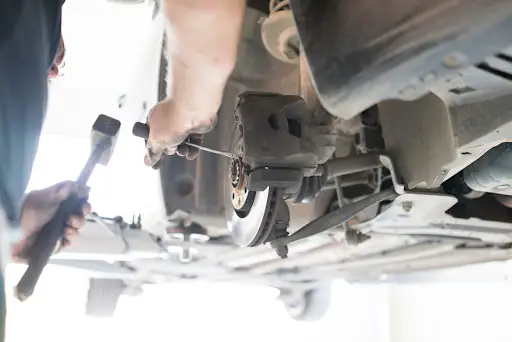
The financial logic behind vehicle maintenance is straightforward. A small, scheduled expense today prevents a much larger, unexpected expense down the road. Routine oil changes protect the engine from long-term damage. Regular brake inspections catch worn pads before they damage rotors. Tire rotations and alignments extend tire life and improve fuel efficiency. Even simple tasks like checking fluid levels or replacing air filters can prevent bigger mechanical failures. When you consistently invest in these smaller maintenance tasks, you reduce the likelihood of costly repairs, extend the lifespan of your vehicle, and maintain a higher resale value if you ever decide to sell or trade it in.
Maintenance Also Protects Your Safety on the Road
Beyond the financial benefits, maintenance plays a direct role in your safety and the safety of others on the road. Worn brakes, bald tires, and faulty steering components are common contributors to accidents, many of which are entirely preventable with routine care. A vehicle that is properly maintained responds better in emergency situations, handles more predictably in poor weather, and is less likely to experience sudden mechanical failure while driving. Prioritizing maintenance is not just a financial decision. It is a safety decision that protects you, your passengers, and everyone else sharing the road with you.
Vehicle maintenance may feel like an added expense in the moment, but it consistently proves to be one of the smartest investments a driver can make. From reducing the financial burden of transportation costs to preventing the wear-and-tear issues responsible for the majority of repairs, staying proactive pays off in both the short and long term. Rather than waiting for a warning light or a strange noise to force your hand, consider scheduling regular maintenance checkups as a standard part of vehicle ownership. Your car, your wallet, and your safety will all benefit from the effort.
Photo Credit: stock photo