
 Saving energy at home is one of the most practical ways to control monthly costs while keeping your space comfortable year-round. When it comes to energy saving tips, the best improvements usually come from a mix of small daily habits and a few targeted upgrades that reduce wasted power. When you focus on how energy is used, where it escapes, and which systems pull the biggest load, it becomes much easier to prioritize the changes that actually matter. With that foundation, you can build an energy plan that fits your home, your schedule, and your budget.
Make HVAC Efficiency Your Top Priority
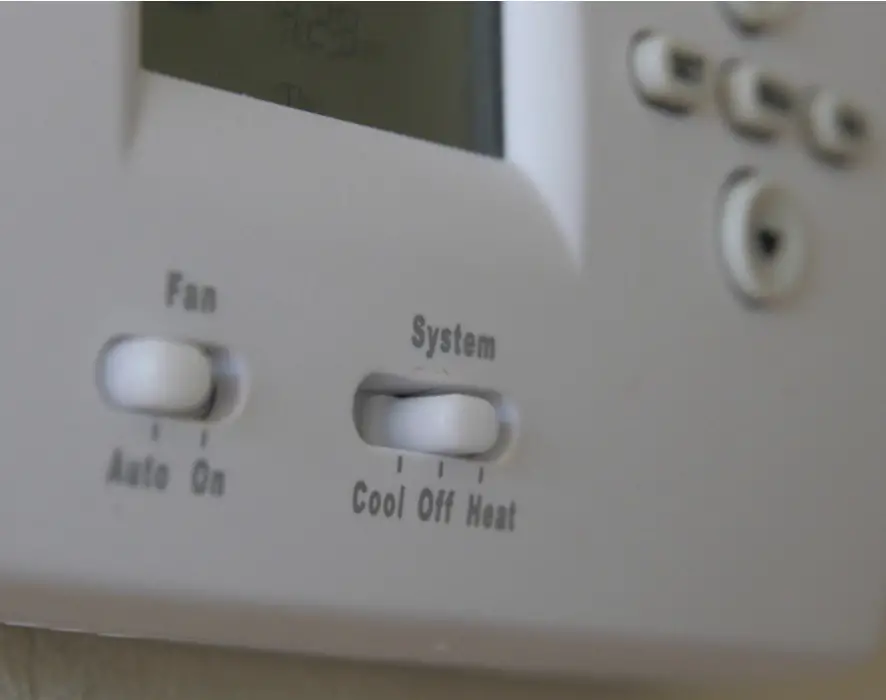
If you want meaningful savings, start with heating and cooling because it typically dominates household energy use. According to Green Logic Energy, HVAC is the largest energy user in the average U.S. home, making up about 46% of overall consumption. That reality is why simple steps like changing filters on schedule, keeping vents clear, and using a programmable thermostat can pay off quickly. Even small improvements in airflow and temperature control can reduce runtime and lower the amount of energy your system needs to maintain comfort.
Upgrade Lighting And Control It Better
Lighting is an easy place to cut energy use because the fixes are straightforward and relatively affordable. Switch to LED bulbs, especially in high-use areas like kitchens, hallways, and exterior fixtures. Add motion sensors in laundry rooms, closets, or garages, where lights are often left on accidentally. In rooms where you want more flexibility, dimmers can help you use only the light you need.
Reduce Phantom Loads From Electronics
Many electronics draw power even when they look like they are “off,” which can quietly add to your monthly bill. Use smart power strips for entertainment centers, home offices, and gaming setups so accessories shut down when the main device is not in use. Unplug chargers when they are not actively charging, since many still pull small amounts of power. These changes are small, but they add up because they reduce around-the-clock background usage.
Improve Insulation And Seal Drafts
A comfortable home is often a well-sealed home. Weatherstrip exterior doors, add door sweeps, and caulk gaps around window trim and utility penetrations. If certain rooms always feel colder or warmer than the rest of the house, that is often a sign of air leakage or poor insulation. Proper sealing reduces the workload on your HVAC system, which helps stabilize indoor temperatures and prevents wasted energy from escaping.
Be Smarter With Hot Water Use
Hot water is another major energy expense, especially for families with frequent showers, laundry, and dishwashing. Lowering your water heater temperature to a safe, sensible setting can reduce standby heat loss. Fix dripping faucets promptly, since even small leaks waste heated water over time. When replacing fixtures, look for efficient showerheads and aerators that maintain strong pressure while using less hot water overall.
Run Appliances With Better Timing And Habits
Dishwashers, dryers, and washing machines can be energy-intensive, but you can cut costs by changing how and when you use them. Wash clothes with cold water when appropriate, and dry full loads rather than several small ones. Clean the dryer lint trap every cycle so it runs efficiently and finishes faster. For dishwashers, run full loads and use air-dry settings when practical to reduce heating demand.
Think About Backup Power The Efficient Way
Energy planning is not only about saving money, it is also about resilience during outages. If your area has frequent storms or grid disruptions, choosing the right generator size can prevent waste and keep essentials running safely. According to BobVila.com, a whole-home generator in the 26 to 32 kW range is often enough to power a typical home with average energy needs. A properly sized unit helps you avoid paying for capacity you do not use, while still supporting comfort and safety when the power goes out.
Know When To Bring In A Professional
Some upgrades are best handled by qualified pros, especially when they involve electrical panels, wiring, or larger system changes. According to Arizton, the U.S. electrical contractors market is projected to reach $256.65 billion by 2029, which reflects how much demand there is for electrical work tied to home improvements and infrastructure. If you are considering a panel upgrade, new circuits for major appliances, or installing a generator connection, a licensed contractor can help ensure the work is safe, code-compliant, and built to handle your household’s needs. Professional guidance can also help you prioritize upgrades that deliver real savings instead of cosmetic changes.
Smart energy savings come from doing the basics consistently and investing in improvements that reduce ongoing waste. When you focus on HVAC efficiency, tighten up your home’s envelope, manage electronics, and use appliances with better habits, your utility bills can become much more predictable. Start with one or two changes you can implement this week, then build toward bigger upgrades as your budget allows. Over time, those steps work together to create a home that is both comfortable and efficient.
Photo Credit: stock photo
A few considerations to consider. Weather stripping and insulation is huge, good windows, plus sensible usage. I live in a rural area that still has affordable hydro electric at $.09 Kw. However, we have no heating or cooling expenses as I use an 80% efficient wood stove with in-wall electric fan heating as backup. We never use the electric heat except if we are away in winter, and then only in a few select rooms set at 12-15 degrees centigrade. Our biggest daily expense is hot water for showers and baths. Phantom loads from electronics is so small it is almost impossible to measure. LED lighting on appliances is impossible to control unless you unplug everything when not in use.
I am in trades and can say that heat pumps when operating in the efficient temperature range use 1/3 the power of standard electric baseboard or electric furnaces. Nat gas prices fluctuate in the US as the utility price is not controlled and futures are sold for speculation on demand. The irony is that when it is most needed, like this coming weekend, the gas price has already risen 70% on sheer speculation before the storm event even shows up. Crazy.
Bob Villa is out to lunch on his generator recommendation. So are all the Generac commercials on tv. When the power goes out it won’t be forever. You don’t need to run your home like it is business as usual when you lose power. All you need is some basic backup. I live in a storm prone area of frequent power outages. The line that serves our valley stretches for over 50 miles through forest. We have lost power for up to one week, but usually it just goes out for 4-6 hours…even in hurricane force winds. Plus, we have a well which requires a pump. All you really need is power to have water for showering and flushing as needed, and coffee/tea and the microwave. Your laundry and roasts can wait. A Generac requires nat gas or propane to run. Far cheaper to simply have a stand alone nat gas stove or insert with glass doors to heat the living area. The bedrooms can stay cold. Wear a sweater or sweats. Plus, LED lighting is amazing. I even have an old inverter to plug in our living room 120V lighting…..lasts for hours using an old marine battery. Freezer goods stay frozen for days. For backup we use a small and QUIET 2200W Honda generator. Starts first pull and will run the well pump and some indoor appliances for meals. Then we turn it off. A HW tank stays warm for up to 2 days….and a small camping stove costs cents to heat up food. Buy some LED lighting and batteries and you won’t even notice the outage.
We actually have newcomers here who don’t even have candles or batteries. No dry firewood. No emergency supplies, whatsoever. They either learn or suffer.
Good luck with the storm this weekend.
Great advice, Paul! It is amazing what a little weather stripping can do to cut down drafts and lower energy bills.