
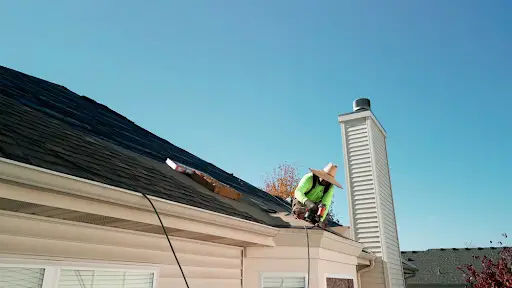
 A full roof overhaul is one of the biggest home projects you will ever plan, and understanding the cost drivers helps you make confident decisions. Prices vary by roof size, pitch, and material, but also by the unseen details: underlayment, flashing, ventilation, and repairs uncovered after tear-off. A smart budgeting approach starts with a careful assessment, a clear scope, and a cushion for surprises. With the right plan, you can align long-term performance with your budget instead of paying for preventable do-overs later.
Start With Inspection And Planning
Before you choose materials or book a crew, invest in a professional evaluation so you know exactly what you are paying to fix. A thorough inspection identifies leaks, soft decking, failing flashing, and attic ventilation issues that can shorten a new roof’s life. It also helps prioritize what must be addressed now versus what can wait. According to Fixr, in 2023 homeowners could anticipate paying roughly $307 to $571 for a roof inspection, a relatively small upfront cost that often prevents expensive surprises.
What Drives Material Costs
Material choice is the headline number on most estimates. Asphalt shingles remain the most common option because they balance price, performance, and style choices for many homes. Architectural shingles typically cost more than basic three-tab, but they offer longer warranties and better wind resistance. According to Ruby Home, about 75% of U.S. roofing projects use asphalt shingles, which explains why most contractors price and schedule around this familiar material and why it is often the baseline for comparisons.
Labor, Tear-Off, And Roof Complexity
Labor is the second major line item and depends on the number of layers to remove, roof pitch, story height, and the presence of dormers or valleys. A steep, cut-up roof takes more time for staging and shingle placement than a simple gable, which increases labor hours. If you have multiple existing layers, expect charges for tear-off, disposal, and extra protection for landscaping. Accessibility matters, too; hard-to-reach sites or limited driveway space can add time for material handling and cleanup.
Underlayment, Ventilation, And Flashing
Many homeowners focus on shingles, but the roof system beneath them protects your investment. Synthetic underlayment, leak barriers at eaves and valleys, and properly sized ridge or soffit vents all affect durability and energy performance. Flashing around chimneys, skylights, and sidewalls should be replaced, not reused, to prevent early leaks. These components are relatively inexpensive compared to the total project, yet they are critical to warranty compliance and long-term performance. Ask your contractor to itemize these materials so you see their value and ensure they are included.
Decking Repairs And Structural Issues
Once the old roofing comes off, contractors can see the condition of the wood sheathing and framing. Soft spots from leaks, previous ice dams, or long-standing ventilation problems may require plywood replacement or sistering rafters. These repairs are common but not always predictable, so most budgets include an allowance per sheet of decking. If your home has signs of chronic moisture, factor in costs for ventilation upgrades or bath fan reroutes; these fixes protect the new roof and help you avoid premature shingle failure.
Gutters, Trim, And Exterior Extras
A roof overhaul is the best time to evaluate gutters, downspouts, and drip edges because access is easy and colors can be matched. New gutters control runoff, protect foundations, and prevent splashback on siding. According to Bob Vila, a trusted home advice source, steel or aluminum gutters can typically last anywhere from two to five decades, so replacing them during a roof project can be a wise, one-and-done upgrade that reduces future labor and staging costs.
Permits, Disposal, Warranties, And Timing
Most municipalities require permits, and fees vary. You will also see charges for dumpsters, landfill tipping, and site protection. Manufacturer and workmanship warranties add value, but some enhanced warranties require certified installers and specific accessory packages, which can influence your material choices. Seasonal timing affects pricing and scheduling; peak seasons may come with longer lead times, while shoulder seasons can offer better availability. If you live in a storm-prone area, anticipate competition for labor after major weather events, which can nudge bids higher.
Building A Realistic Budget And Choosing A Contractor
Create a budget that covers inspection, materials, labor, accessories, and a contingency of 10 to 15 percent for hidden repairs. Solicit multiple detailed quotes that specify shingle type, underlayment, ventilation approach, flashing metals, and debris handling. Ask about crew size and projected duration to understand labor assumptions. Verify insurance and references, and make sure the contractor explains how they protect landscaping and handle rain days. Finally, balance upfront cost with lifecycle value; a well-specified system and solid installation often outlast the cheapest bid and save money over time.
Overhauling a roof is more than swapping shingles. It is a coordinated project that includes inspection, tear-off, structural evaluation, and a system of components that must work together. By understanding how each element affects cost, you can prioritize the right materials, avoid shortcuts that lead to early failures, and invest where it matters most for durability. With a clear scope, a trustworthy contractor, and a thoughtful budget, your new roof can deliver years of protection, better curb appeal, and peace of mind.
Photo Credit: stock photo
Excellent article and observations. I am a long time carpenter who has installed many roofs over the years….and also built and renovated the houses underneath them including my own home(s) 3 times. One was hand split shakes (I cut the blocks and split every shake as a winter project in my early 20s), and the other two were duroid shingles, one low slope. Plus, numerous metal roofs with exposed fasteners on different projects. But now I am 70 and the last major roof I put on by myself was almost 20 years ago, my own home again. However, did several other carports and post and beam structures with metal in the last 5 years.
This year I actually hired one done by a contractor and this is what I chose.
I selected a standing seam metal roof and hired a union certified and long established sheet metal/roofing company to do the work. It was an outstanding choice. It cost me 10X what I spent 20 years ago on this same house, with non inflation adjusted dollars, but it was worth every penny. A standing seam roof is like a giant sheet metal project with everything inter connected. There are no exposed metal edges, fasteners, or seams as everything is bent over and inter-locked into place. The fasteners are hidden clips and the metal roof panels are then locked around them. For my last own built roof I hired 3 school kids to help me and we finished up in 2.5 days including the tear off. (6:12 slope). This new crew consisted of 6 people, all well paid and conscientious….very hard working. Union pay rates. Good equipment and tools. I am also a welder and can do sheet metal fabrication (somewhat) but these guys were quick and tidy. Experienced. The foreman went over every aspect of the fit and finish when he saw me watching them work, then left me all of their left over materials for my own future projects. The materials were cut on site with their forming machines….with each piece cut to length depending on the changing structure.
For non carpenters looking for a roofing company this is what I would do. Research research and ask around. See a new roof done? Ask the owner if they were happy with the work and service. Look for a track record of company work. Since you are probably not a builder, this is the only thing you can do. DO NOT just look for the best price. Ever. It costs what it costs and if one price is way less than another it is because there is some skimping going on. Get a firm price/quote in writing as well as know your guarantee.
Mine has 40 year warranty from a company that has been in business for the last 80 years. I was so pleased with the workmanship I drove to town and paid them the same day I got the bill.
The bid was solid, with no add on charges, even though I asked them to do some extras here and there. When I talked with the manager about the quality of his crew and their workmanship he told me he was lucky to have them. He said they treated every customer’s project as if was their own. Yes, they did.
I hope others are as lucky as I was. A new roof is a huge expense and worry. I live about 250 miles north of Seattle on the BC Coast. You may have heard about our big storms this week. When I hear the rain pounding down it is a wonderful sound these days.